Skip to main content Skip to search Skip to main navigation

For "Car" the following results were found: 40 products, 16 FAQs

Filter
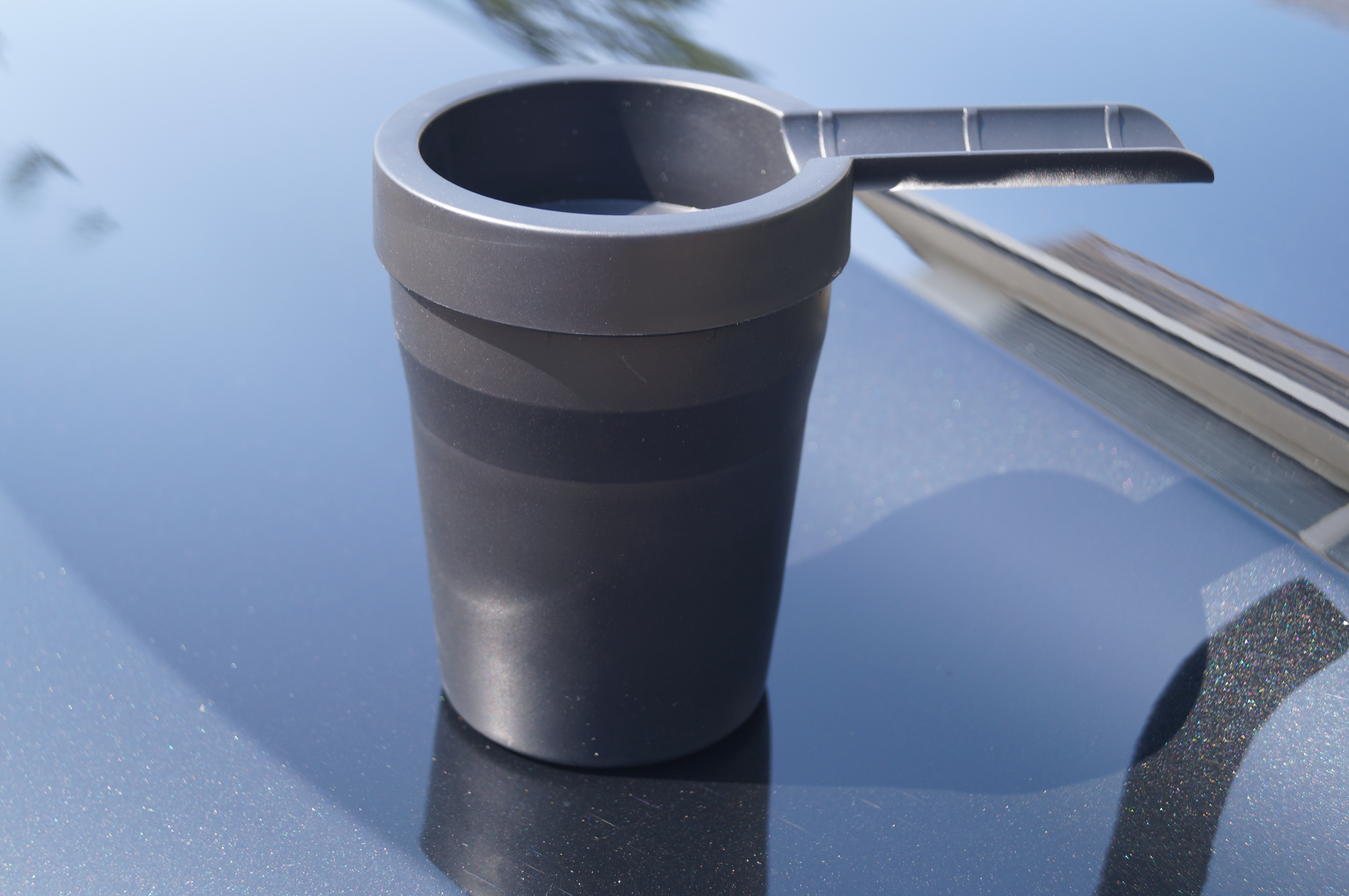
Ashtray for Car Cupholder

Ready for dispatch in: 1-3 working days

Product Quantity: Enter the desired amount or use the buttons to increase or decrease the quantity.
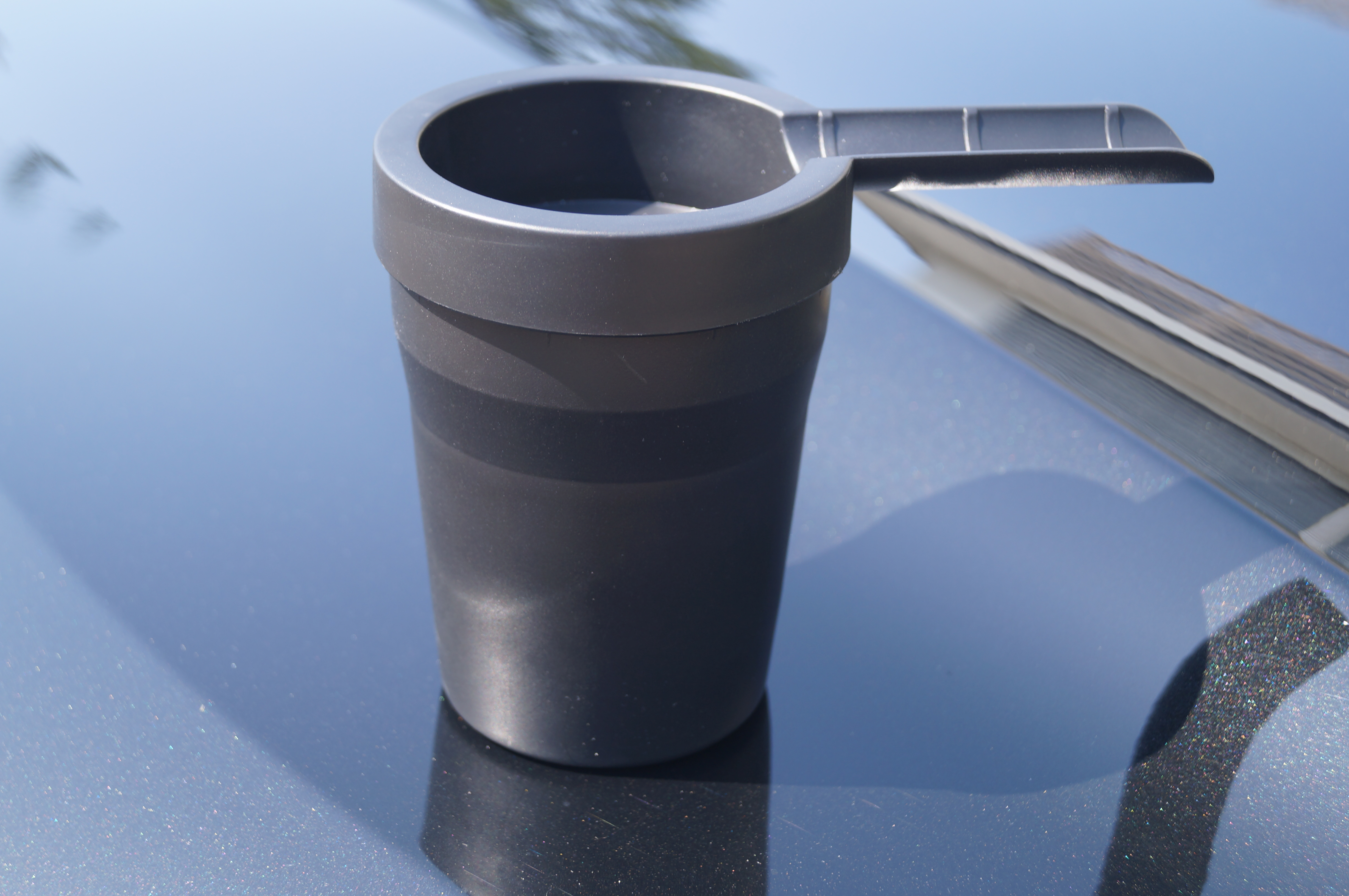
6x Car Ashtray Set

Ready for dispatch in: 1-3 working days
Product Quantity: Enter the desired amount or use the buttons to increase or decrease the quantity.
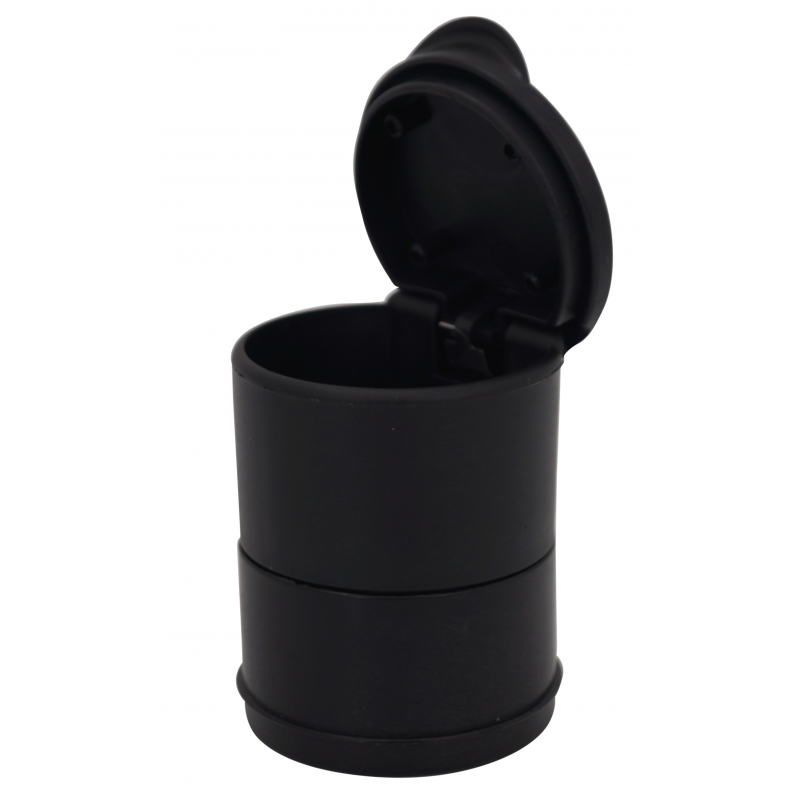
GERMANUS Outdoor Cigar Car Ashtray, wind proof for outside in car with Cigar Holder

Ready for dispatch in: 1-3 working days
Product Quantity: Enter the desired amount or use the buttons to increase or decrease the quantity.
3x Car Ashtray Set

Ready for dispatch in: 1-3 working days

Product Quantity: Enter the desired amount or use the buttons to increase or decrease the quantity.
GERMANUS Outdoor Cigar Car Ashtray, wind proof for outside in car with Cigar Holder
Product Quantity: Enter the desired amount or use the buttons to increase or decrease the quantity.
GERMANUS The safe Outdoor Cigar Car Ashtray, wind proof for outside in car

Ready for dispatch in: 1-3 working days

Product Quantity: Enter the desired amount or use the buttons to increase or decrease the quantity.
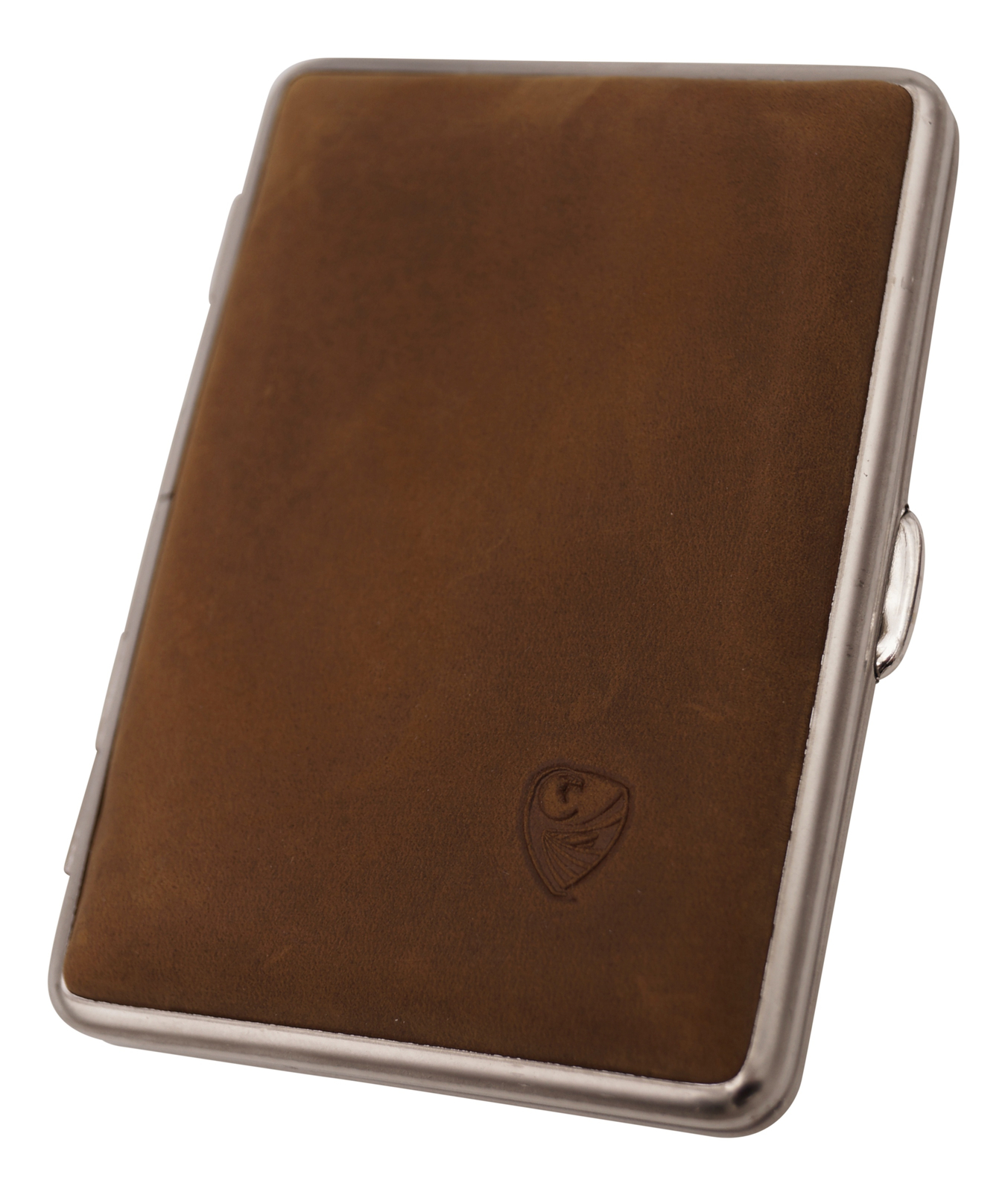
Credit Card Sized Double blade Cigar Cutter

Ready for dispatch in: 1-3 working days
Product Quantity: Enter the desired amount or use the buttons to increase or decrease the quantity.
GERMANUS Credit Card Sized Double blade Cigar Cutter

Ready for dispatch in: 1-3 working days
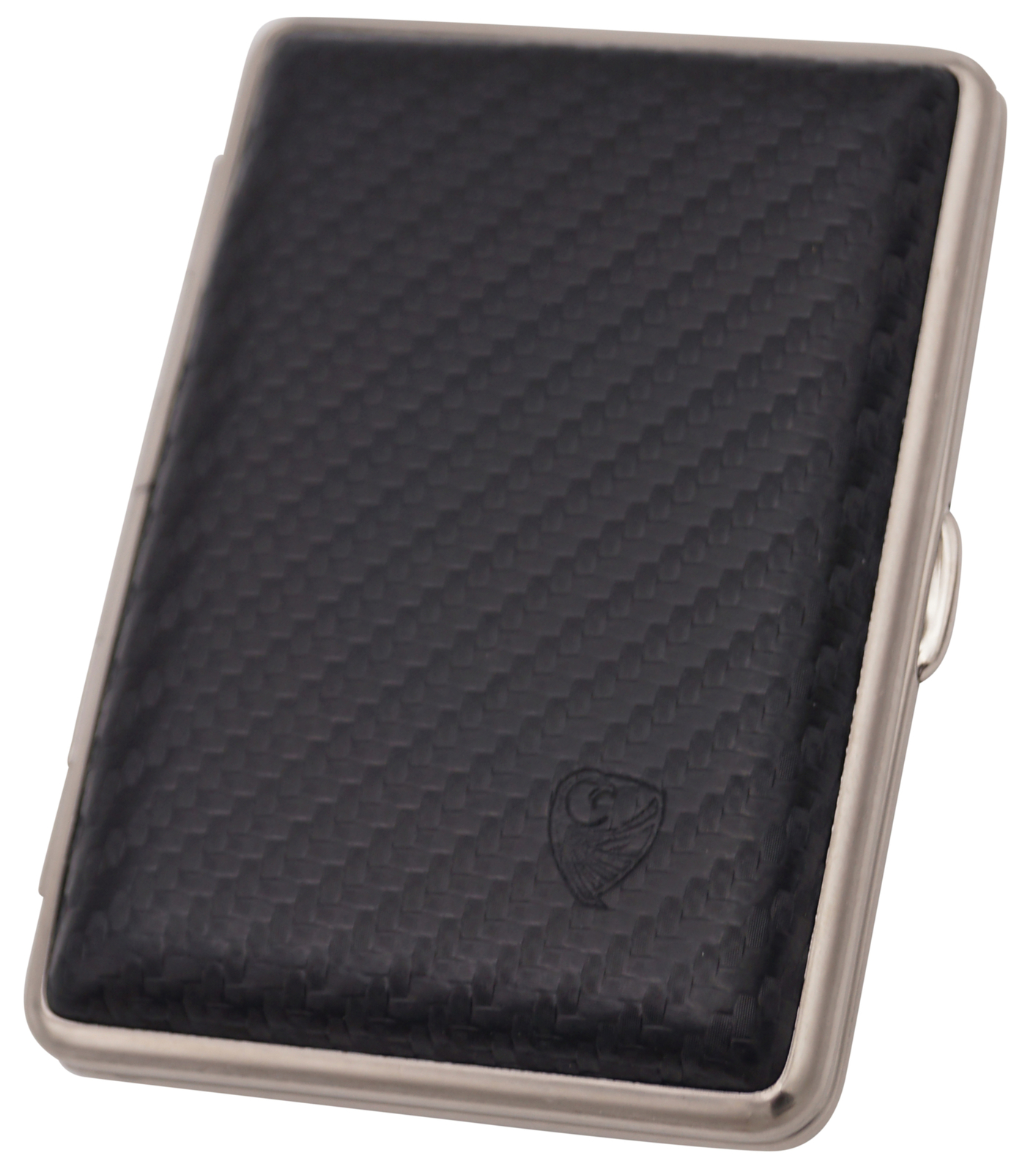
Product Quantity: Enter the desired amount or use the buttons to increase or decrease the quantity.
GERMANUS Business Card Case - Hand Made in Germany, Wild Bull

Ready for dispatch in: 1-3 working days
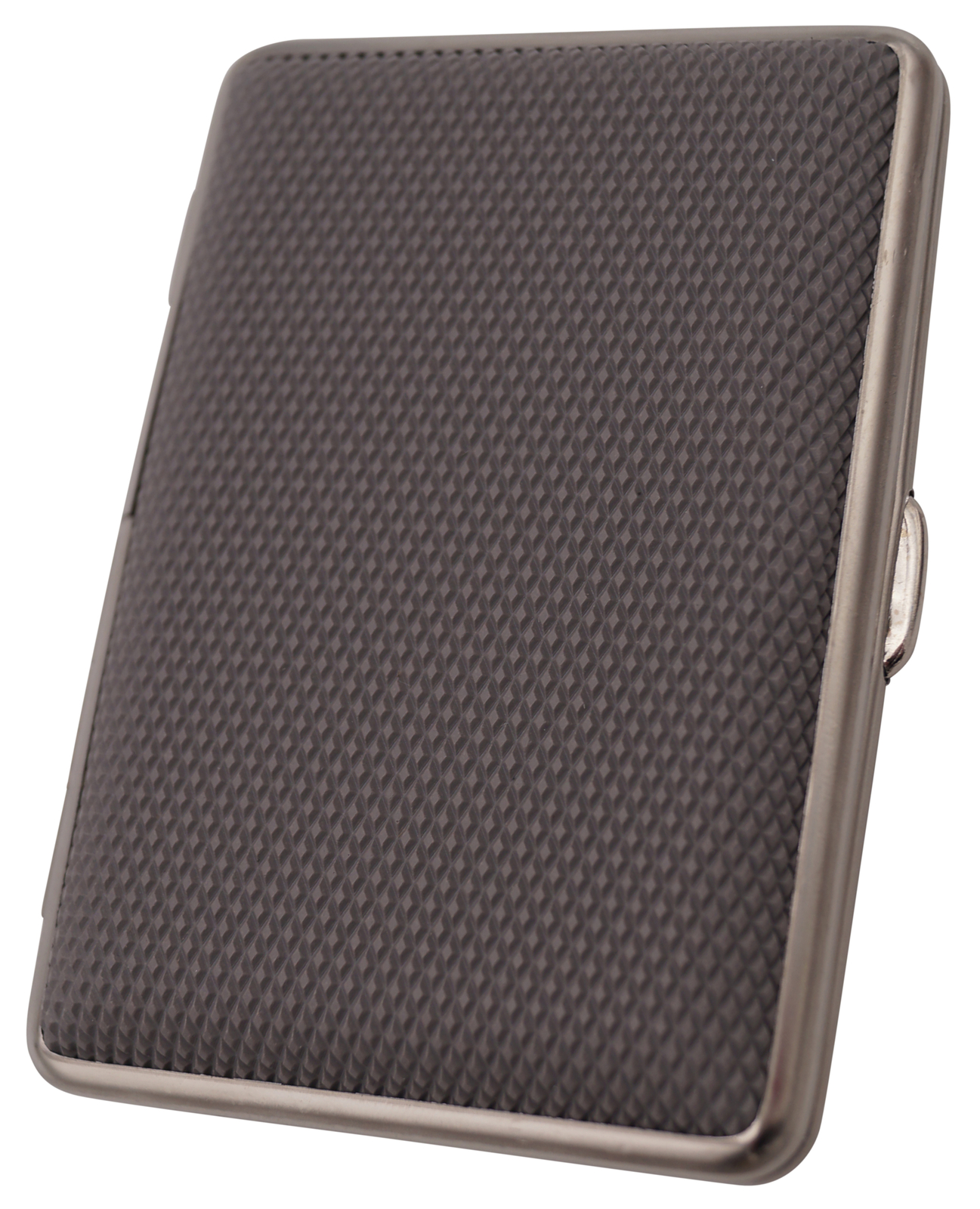
Product Quantity: Enter the desired amount or use the buttons to increase or decrease the quantity.
GERMANUS Business Card Case - Hand Made in Germany, Carbon

Ready for dispatch in: 1-3 working days
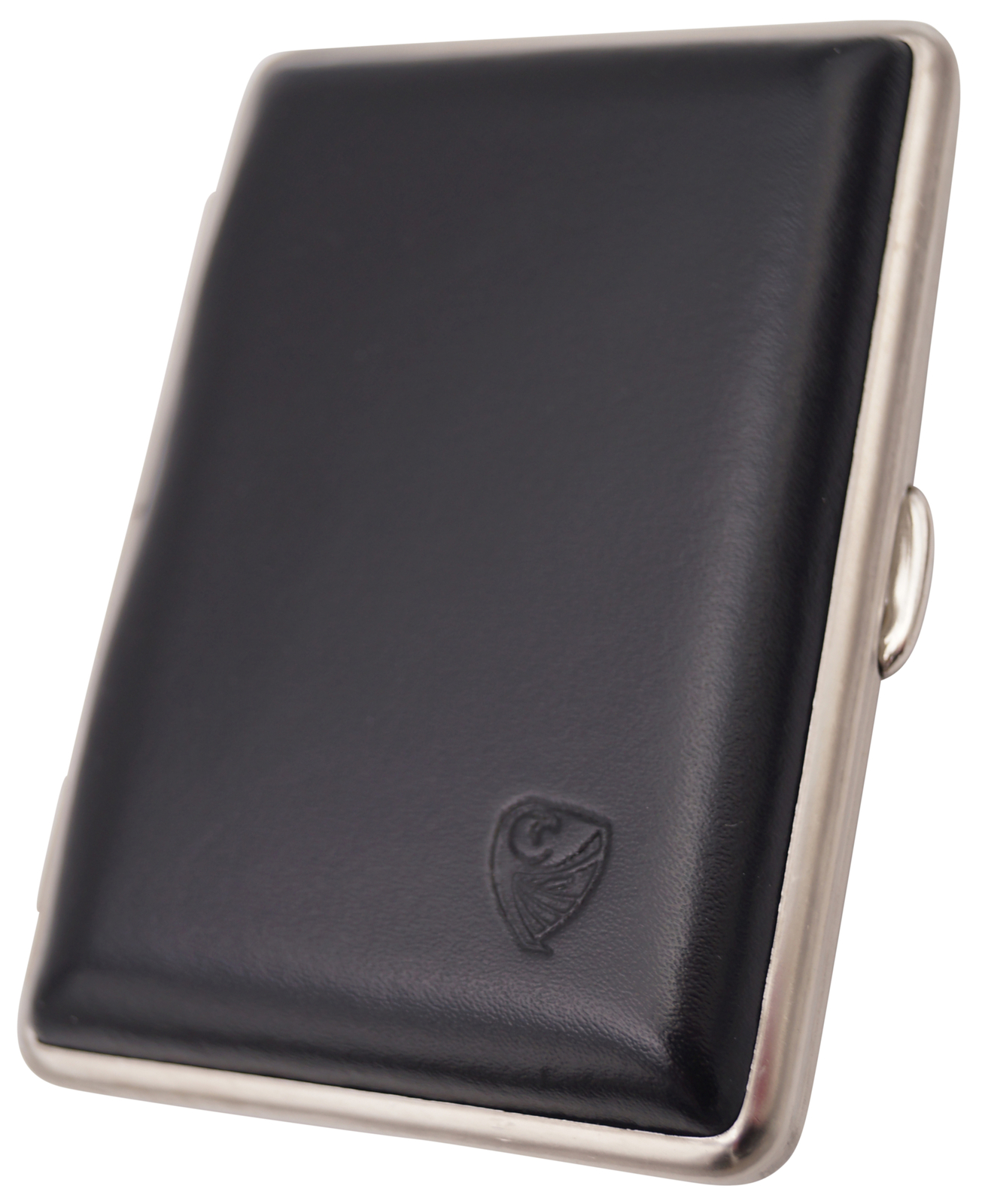
Product Quantity: Enter the desired amount or use the buttons to increase or decrease the quantity.
GERMANUS Business Card Case - Hand Made in Germany, Ripple Grey

Ready for dispatch in: 1-3 working days
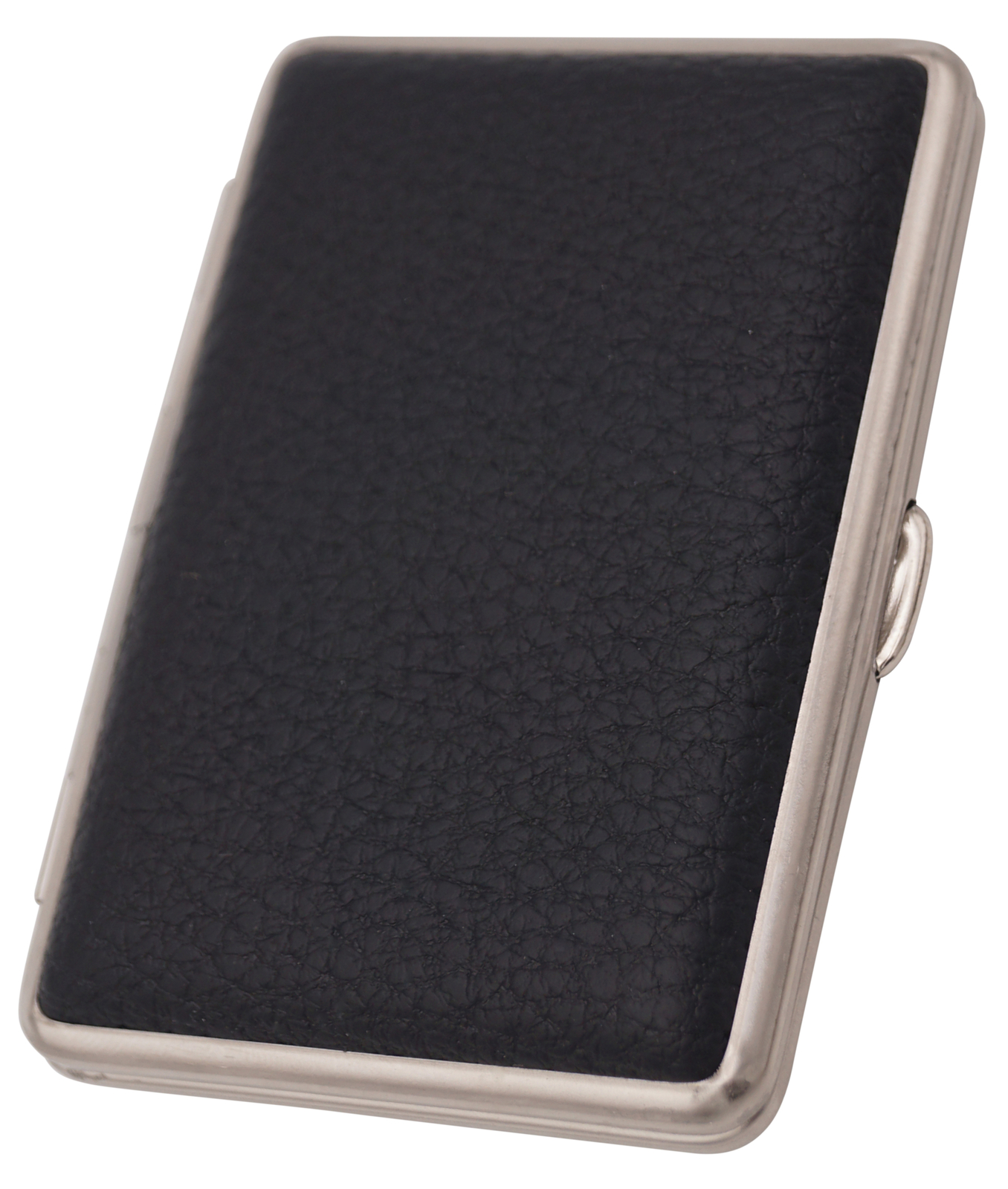
Product Quantity: Enter the desired amount or use the buttons to increase or decrease the quantity.
GERMANUS Business Card Case - Hand Made in Germany, Black

Ready for dispatch in: 1-3 working days
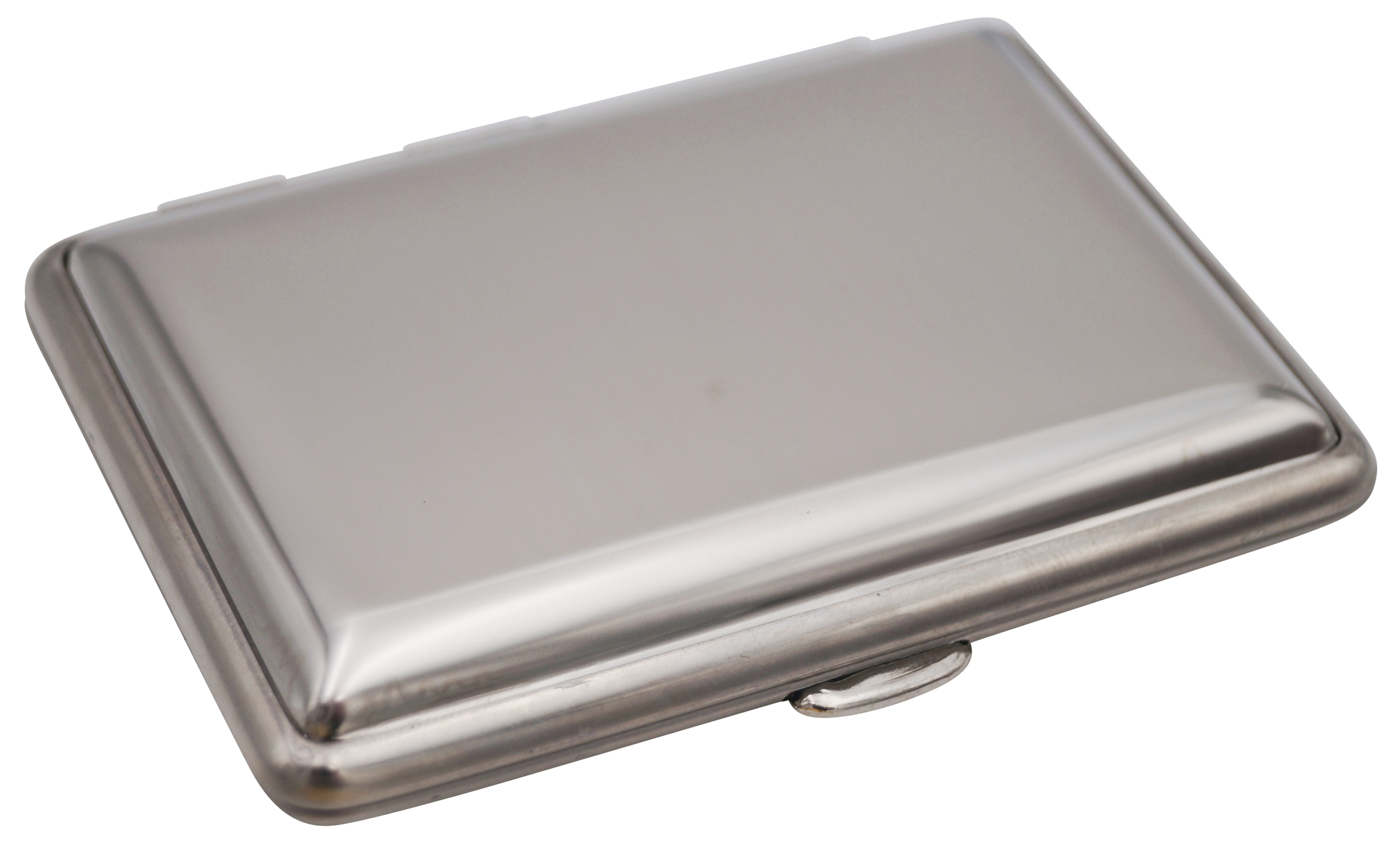
Product Quantity: Enter the desired amount or use the buttons to increase or decrease the quantity.
GERMANUS Business Card Case - Hand Made in Germany, Black II

Ready for dispatch in: 1-3 working days
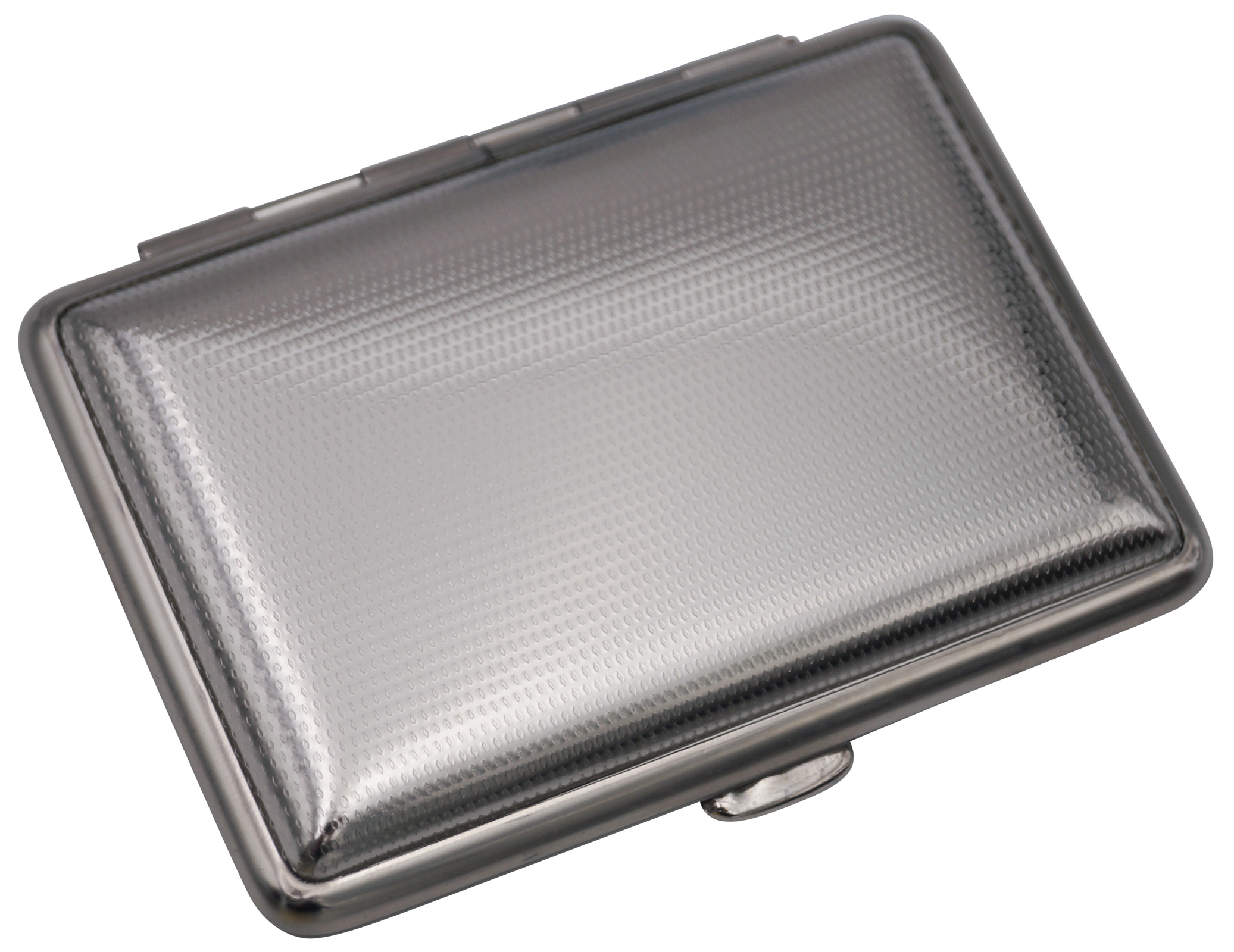
Product Quantity: Enter the desired amount or use the buttons to increase or decrease the quantity.
GERMANUS Business Card Case - Hand Made in Germany, Silber I

Ready for dispatch in: 1-3 working days
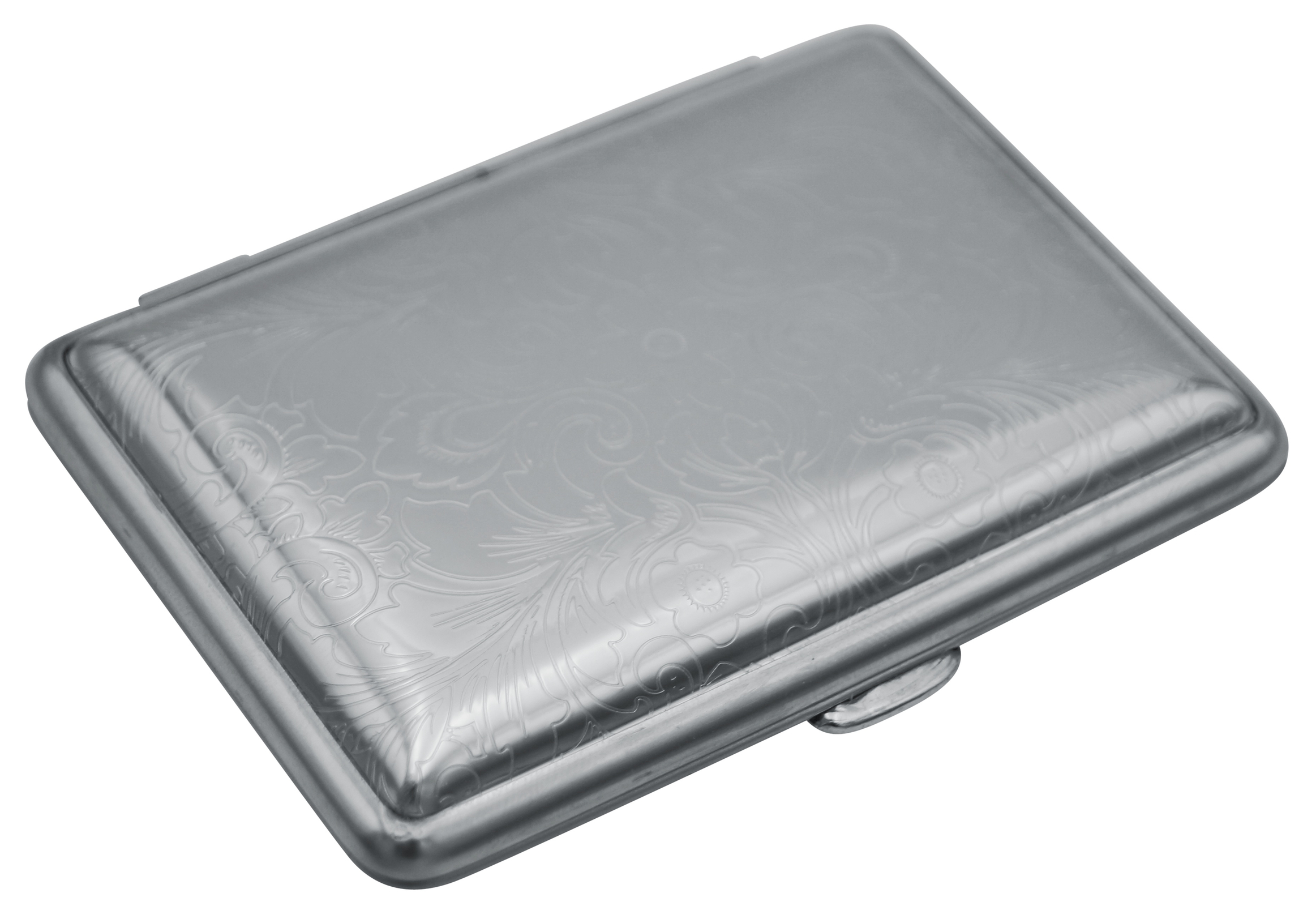
Product Quantity: Enter the desired amount or use the buttons to increase or decrease the quantity.
GERMANUS Business Card Case - Hand Made in Germany, Silber P

Ready for dispatch in: 1-3 working days
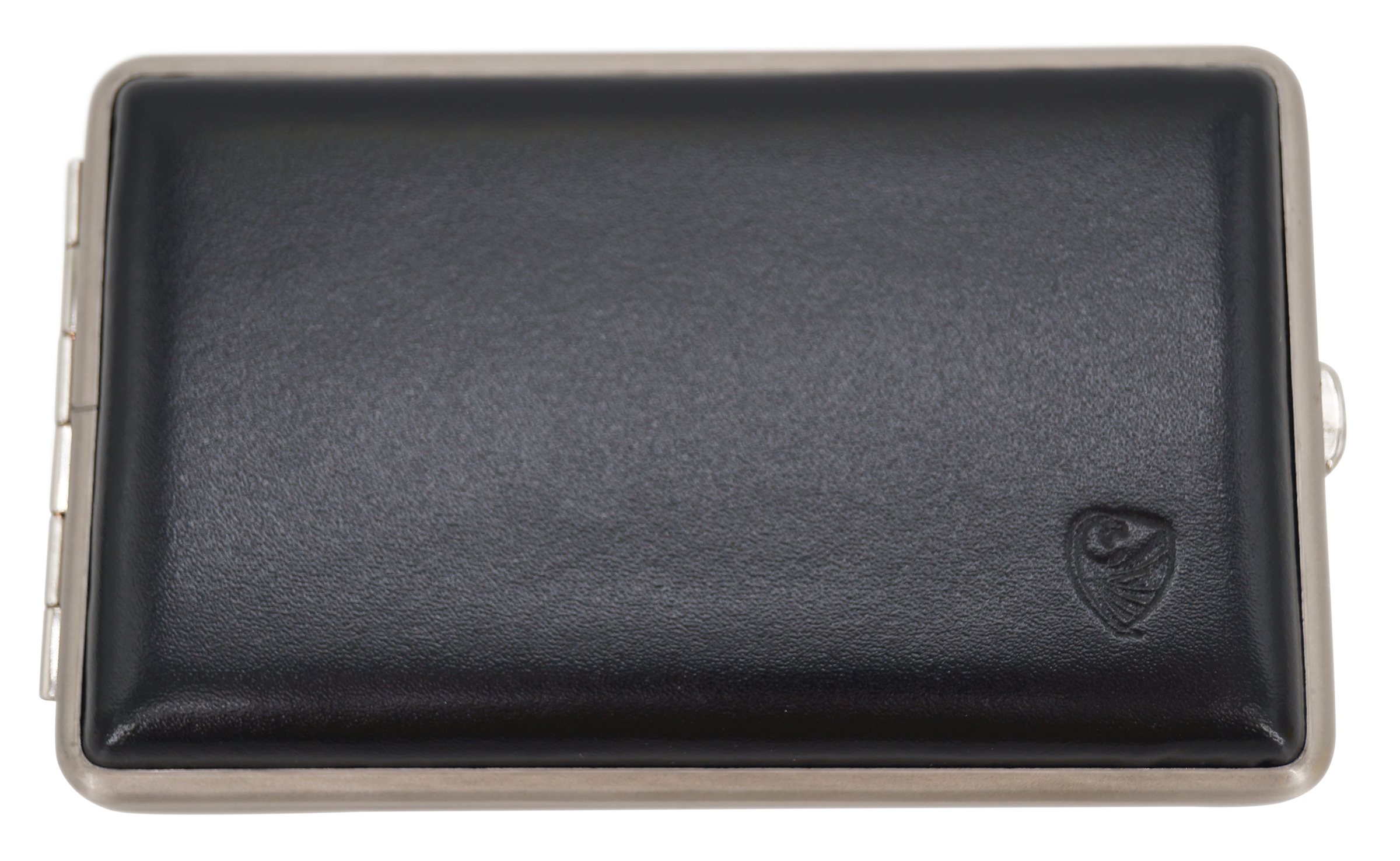
Product Quantity: Enter the desired amount or use the buttons to increase or decrease the quantity.
GERMANUS Business Card Case - Hand Made in Germany, Silber Venetia

Ready for dispatch in: 1-3 working days
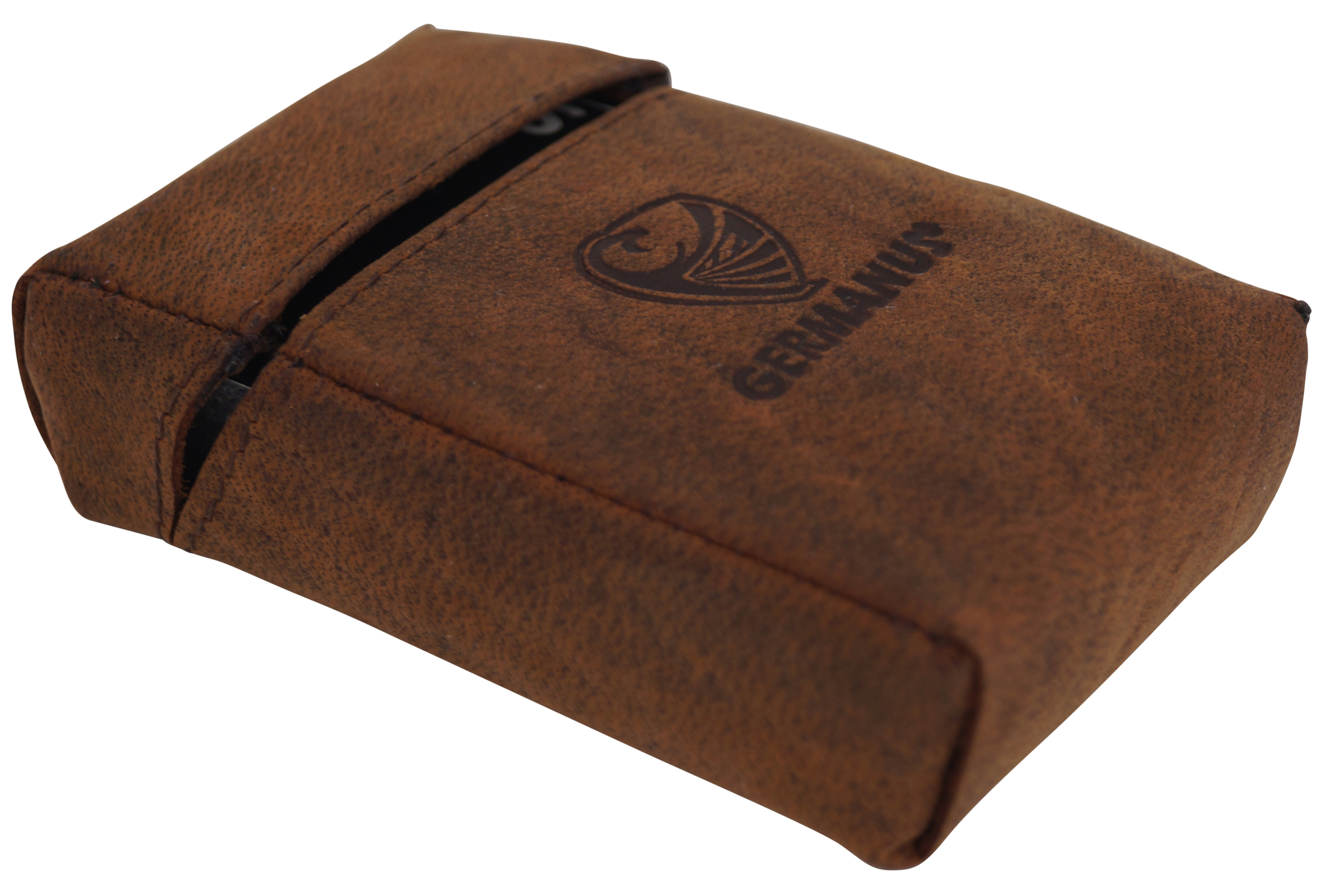
Product Quantity: Enter the desired amount or use the buttons to increase or decrease the quantity.
GERMANUS Business Card Case - Hand Made in Germany, Leather Black, Large

Ready for dispatch in: 1-3 working days
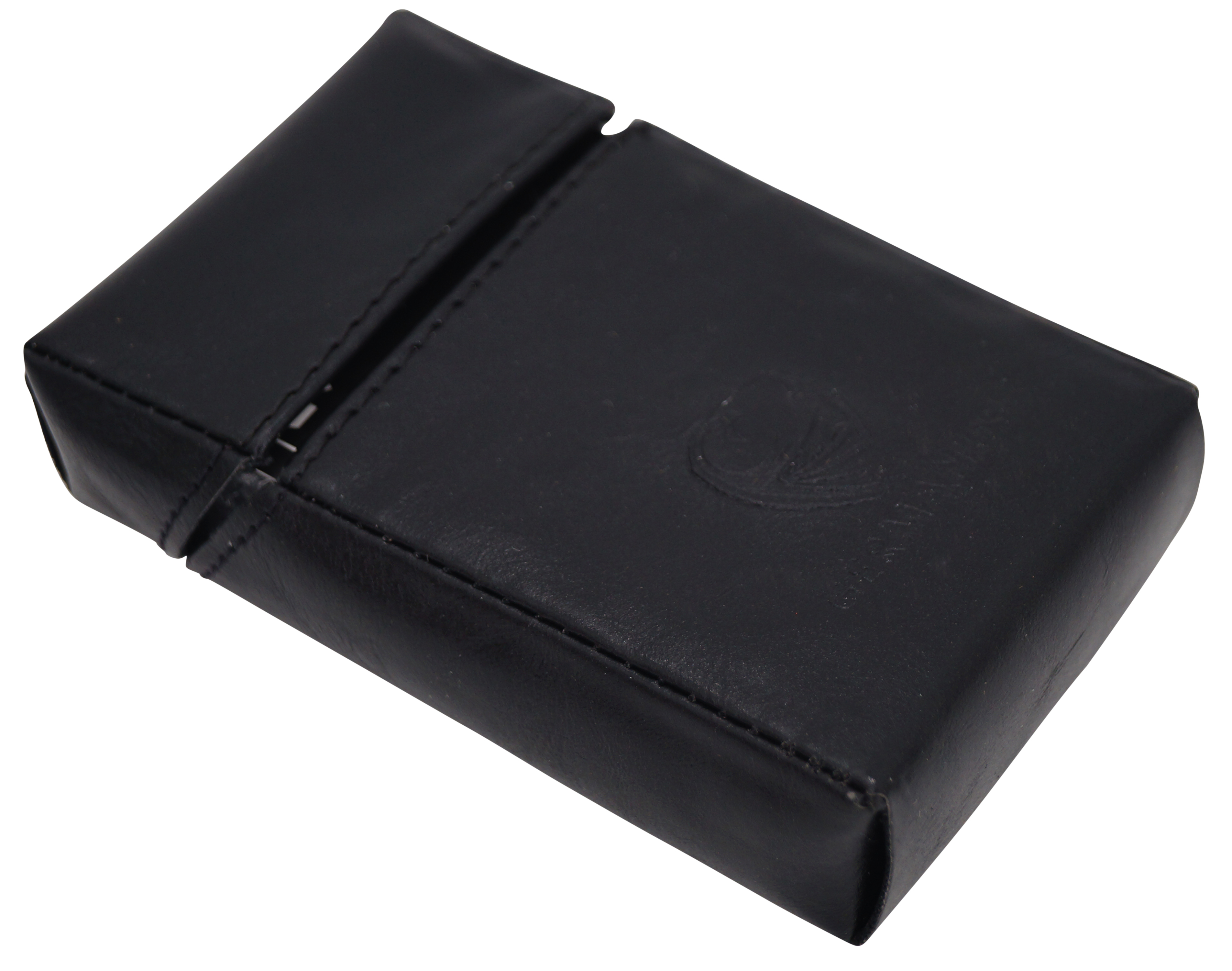
Product Quantity: Enter the desired amount or use the buttons to increase or decrease the quantity.
GERMANUS Business Card Case - Hand Made in EU, Soft Bull

Ready for dispatch in: 1-3 working days
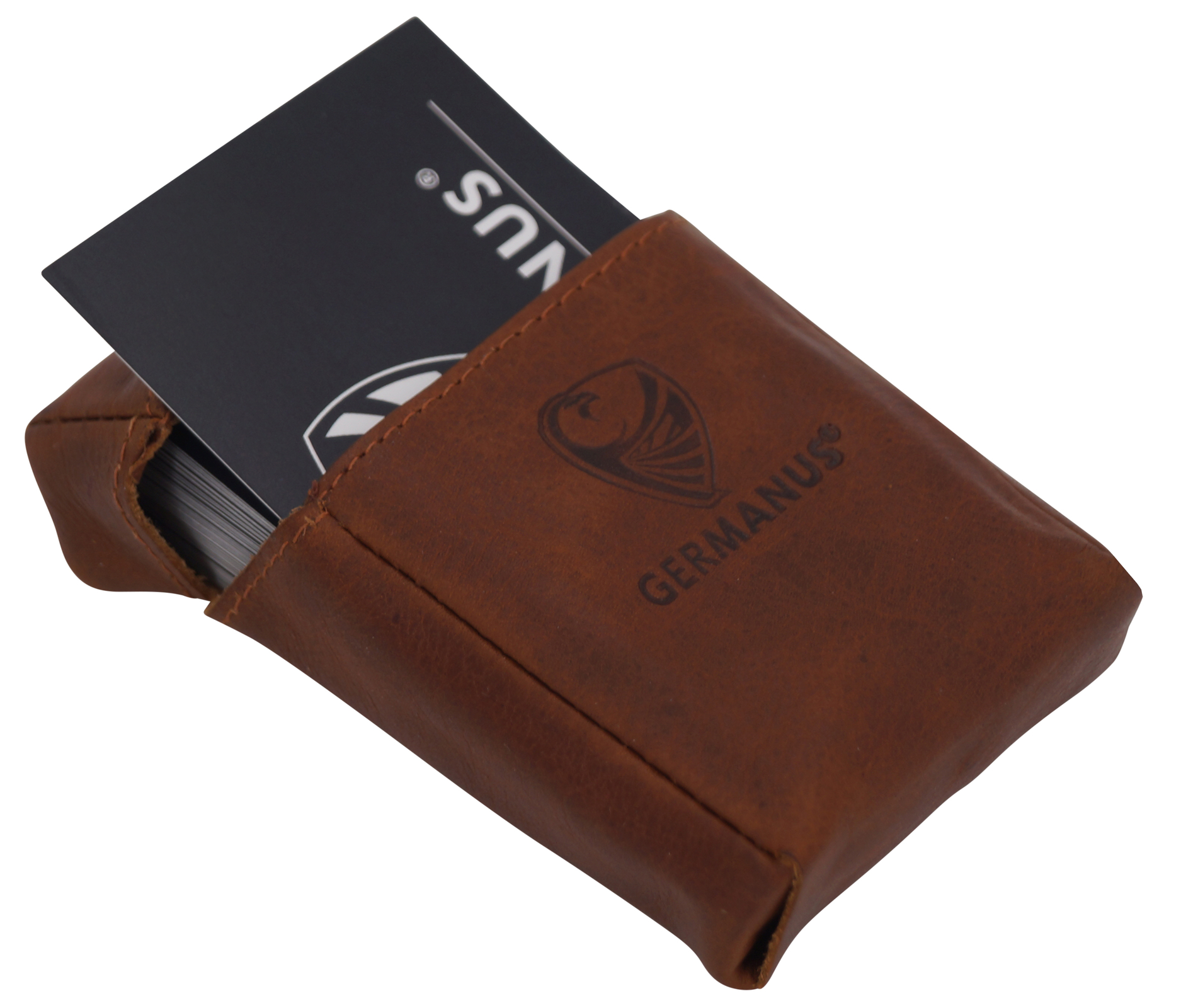
Product Quantity: Enter the desired amount or use the buttons to increase or decrease the quantity.
GERMANUS Business Card Case - Hand Made in EU, Leather brown

Ready for dispatch in: 1-3 working days
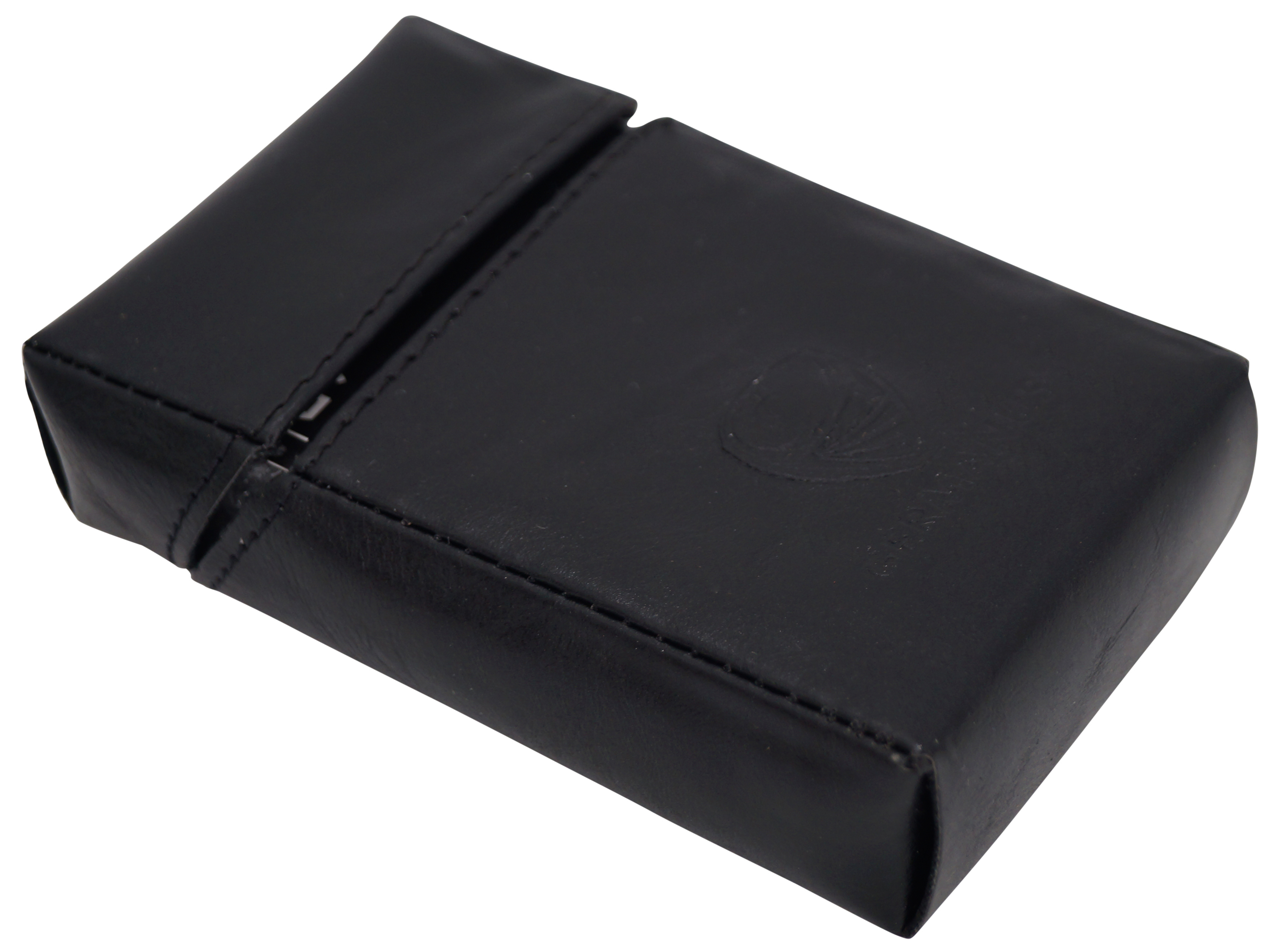
Product Quantity: Enter the desired amount or use the buttons to increase or decrease the quantity.
GERMANUS leather card holder, black

Ready for dispatch in: 1-3 working days
FAQ

CigarSpa - The precise and careful electronic humidifier from Germany
Cigar Spa is made by hand in the west of Cologne, Germany. The product is technically beyond doubt. However, it is advisory intensive. The technical requests we want to take into account with this entry. Field of Use of Cigar Spa CigarSpa is characterized by a particularly sensitive release of moisture. High-quality components are used, which ensure appropriate accuracy. CigarSpa wants to moisten cigars carefully. Too rapid a change in moisture can cause cover sheets to burst and, if broken, can present risks. However, this cautious operation has the side effect that CigarSpa is a great accurate solution, especially for table humidors, where a lid closes a bottom firmly. It looks different with cabinets. You can also use CigarSpa in cabinets. Here I would use CigarSpa but from experience rather than regulator as the only humidifier. So if you have a Schrnak with passive sponge humidifiers or acrylic polymer humidifiers, we recommend using CigarSpa as a regulator, as CigarSpa itself does not provide enough performance in many cases. We believe that this does not pose a major barrier in the application. The major problem of electronic humidifiers is usually a possible Fehlbefeuchtung with defective sensor / other electronic defect. As a result, you should keep a closer eye on electronic humidifiers than passive solutions. Unattended passive solutions that work well can dry out or slowly over-moisten. An electronic humidifier, which acutely fan assisted cigars in the event of a defect so to speak, can cause actual damage after years of good function. The risk of a defective humidity sensor can also lead to such a result. This is unlikely for CigarSpa due to its cautious nature. In short: CigarSpa alone in normal table humidors / small chests. In cabinets often like in addition to passive solution as a regulator. As always, with questions of this kind, there are different opinions that one can talk shop. We would advise from experience accordingly.
How good are those low price cigar climate cabinet humidors from wine climate cabinets?
I'm looking for a humidor with automatic humidification and temperature hold function so I do not have to think about what's going on with my cigars. How can I store my cigars fully automatically?There are not really fully automatic humidors on the market. Even if they are advertised as automatic, they still require a minimum of care. Most cigar smokers are looking for an automatic cigar humidor and are actually looking for an electronic humidifier that automatically regulates moisture content. You can use any (GERMANUS) humidor and add a humidor humidifier. The recommended humidifier depends on the humidor model.Our alternative to electronic Humidor Humidifiers: The GERMANUS Bead System. This is a regulator that is easily added to a humidor. Simply place the regulator in the humidor. The number of necessary regulator units of course depends on the humidor.For all humidors across the market: Moisture must be added. The tank must be refilled. Just as a car needs new gas from time to time, a humidor needs a stop at the "gas station" to top up with water in the humidifier tank.Question: I have seen a cheap climate cabinet. Would you recommend something like that?Answer: The question is very general. Therefore, I would like to give a general guideline. There are wine cabinets from Asia that are equipped with some wood and maybe a humidifier. This is electronics, which was usually never intended to store food in it without wrapping. Wine bottles are sufficiently dense. But some sommelier are worried about negative side effects of such cabinets. The temeprature control if ofter very limited and the noise from those machines is not acceptable to every wine lover. These cabinets are then simply equipped with a simple humidifier to call them a "humidor".The question is what can be expected for the sometimes surprisingly low prices? In the abstract, this is nothing but a fridge designed for wine storage, which was built for 30-60 € and includes some wood and a humidifier. With an automatic cigar storage as the impression is awoken, this has nothing to do.We have already been told by customers and competitors of fumes and extremely inaccurate temperature at high noise levels (buzzing). Cigars need reasonably stable but not cold temperatures. These even have a negative effect on the maturation and aging process. Temperature control is a nice feature, but not necessary or central. This feature is bought with unchecked plastics and completely unclear effects of these exhalations on the stored cigars. The permanent noise volume is not quiet in some reported cases.Important: Automatically working is very little in those fridges. (Those fridges usually miss electronic humidifiers. But if they have, please keep a critical eye on them no matter who is the manufacturer.)I would not recommend that either, but if you buy a low price German fridge and some wood for the interior, you have more storage volume at a better price. Again, this is not recommended. But if you really wanted to put cigars in a fridge, I would choose a tested European product. A lighting is also automatically integrated there. :)Buying a Cigar Humidor is a matter of trust just like any purchase. Those products are simply very basic wine fridges or coolers where cigars and a normal humidifier are placed. The risk here are fumes and in most offers the absence of a European supplier who would be available in the event of a defect or problem. A guarantee is usually missing completely or is rejected in the real case of defect.Each individual case must be considered individually. But these are general considerations based on logic thoughts and feedback of customers and competitors. The quality of these fridges is appropriate for the price. :) Electronics in the humidor is always a risk, as it brings the risk of malfunction in the topic of cigar storage.If I am now asked for my own personal opinion, I personally would not dare the experiment, because the possible success in relation to the possible or expected disadvantages and problems would be much too small.If you buy such a gastro cabinet, then please with guaranteed safety of the components, a reasonable shielding and reasonable humidification. Such cabinets are usually available from at least 1000 €, more from 2000 € available.
What is the first thing to know about pipe smoking, and what should I avoid?
Beginners tend to smoke excessively moist tobacco too fast, thereby applying too much flame to the tobacco. This causes a build-up of bad-tasting condensate. Once you accept you are being too hasty, simply give the pipe a few seconds to cool down before continuing with a little more caution. If so much condensate accumulates that the pipe only delivers an acrid taste, let it burn out and give the pipe a whole day to dry out so that the wood can regenerate. If you carry on smoking the pipe with greater haste and apply even more flame, you will soon burn your tongue and perhaps also notice the aroma of burnt wood. Important: As soon as you notice the scent or taste of charred wood owing to a hasty approach, you should stop smoking the pipe immediately: smoking a pipe does not mean smoking the wood of the pipe. It is therefore a simple matter to avoid burnouts. An inexpert approach can give rise to a vicious circle, potentially ending with the destruction of the pipe itself. However, do not be concerned: it is an extreme case in which you experience the taste of charred wood before you burn out a pipe. With just a little caution and consideration for the pipe, burnouts are very unlikely, even over many years. Our advice is to be sceptical of any reports you may read stating that pipes from quality manufacturers like ourselves can be burnt out because of material defects. This may be theoretically feasible, but in practice it is all but impossible. (For more information on this, see below.) Burnouts are not an issue for the sensible beginner, so please set about your task in a carefree and optimistic spirit. Remember that pipe smoking requires calm; it is an almost meditative experience.
Humidity Control: My Hygrometer shows 60, 65 oder gar 75, 80%. What shall I do?
Standard Analog Spiral Hygrometer These hygrometers are reasonably priced and are visually beautiful to look at. However, since spiral hygrometers give only rough guideline values, which in itself does not detract from the actual function of the humidor, the following recommendation: As an accessory, I would recommend a small digital hygrometer Calibration of hygrometers Every hygrometer has an effective range in which it measures accurately. A setting with extreme value against 100% is therefore always somewhat dangerous, no matter which make you use. Personally, I would rather advise to compare with a second hygrometer. In terms of percentage point exactly is no product under a four-digit price range. Digital Hygrometer and the accuracy of the humidity measurement The sensors have a certain spread, the electronics also. This results in an interval of 7%. It is more likely to measure whether it is 65, 70 or 80%. But it can not be more exact, which is not necessary. If you are in the interval 65-75%, that fits. Then everything is OK. In recent years, the belief has become common in some places that exact 70% rel. Humidity must prevail in a humidor. Everything else is dangerous. There are two theses to counter. 70% is a possible value. In fact, long-term storage tends to occur at around 60%, while cigars for consumption are readily stored by many smokers at 75% or more. Personally, I have for the purpose of a small humidor with about 75% humidity in operation for which I exceed the regular amount of humidifier capacity. For more accurate measuring, the measuring devices do not exist or are too high priced for the private user resp. are not available. However, none of the commercially available hygrometers are able to measure 70% accurately. Achieved ideal values ??thus give a good picture and convey an idea of accuracy, which is deceiving to some extent. Those values are not based on valid measurements such as would be necessary in medicine. I therefore recommend only aiming for a value "about" 70%. Such thinking saves the user time, nerves and costs. Cigars do not need an exact 70%. Unfortunately, the assumption is still carried into the world. At fairs, I often meet people who make me smile in conversation. People put themselves under unnecessary pressure and would to well to convey a more realistic idea. I can only advise prudence in the point of measuring moisture. Who likes to invest in a dew point meter and medical hygrometer, of course, can do that. These are great devices. The costs are in the more or less elevated four-digit area. The effort drives no cigar lounge known to me, because it is not necessary. On the other hand, they definitely use the same devices that we manufacture or sell. Marc Andre, who is a German humidor manufacturer, once made very meaningful comments on the subject. I hereby exceptionally allow myself a direct quote: Do not let it drive you crazy "With a commercial hygrometer you can measure whether the humidor tends to have 65, 70 or 75% rel. Damp lie. You can not expect more. Again and again I get calls from worried cigar smokers, who, quite upset, report that they are moistening with the electronic humidifier HYDROCASE but simply can not get to the 70%. At 66% is over. Considering that the sensor in the HYDROCASE has a 1.8% error, the hygrometer itself is about 3-4% (if it is calibrated perfectly), and then there are temperature variations - then 66% is a perfect value. High precision measurement with dew point mirror If you really want the rel. Humidity measured with high precision, you can only do this with a precision electronic hygrometer with a capacitive sensor or with a dew-point mirror. Such electronic precision hygrometers start at about € 280.- and for a dew point mirror you have to lie down a four-digit amount. But then measure to half a percent exactly." My own 50 Cents: There are many discussions on the internet. There are many interesting, useful and very useful forums. However, forums also always run the risk of artificially problematizing topics on scientifical issues and thus problematic topics. The topic Humidity measurement is m.E. such a case. As Marc Andre so sensibly describes, no one with normal technology is able to make such accurate measurements. This is also not necessary: We receive daily questions on all sorts of topics. Humidity measurement is one of the central topics. There are absolutely heartfelt letters from desperate smokers, who only measure 71% and genuinely fear for their enjoyment and are honestly driven by fear of losing their whole stock of cigars. I am always personally very sorry for this. There is a person who is really worried and is spending a lot of time driven by fear. In fact, everything is in the best order. As a result, it can happen that people completely lose the pleasure of cigar enjoyment. I am humanly responsible for this suffering, I am personally personally sorry and is also regretful on business. Therefore, my earnest request: Please do not go crazy. :) Use a sensible hygrometer like our GERMANUS Digital Hygrometers . Please enjoy your cigars and look forward to it. Cigars are made to relax and enjoy the smoker. A cigar will not break if it is 65, 68, 72 or 75% rel. Humidity is stored. Care and reflection are useful as always in life. But cigar storage, as we offer it, is not rocket science for the user. Do not worry. Please also visit our article about long time impacts on cigars, which are stored in a dry environment. best regards, Philipp Pietsch Owner of GERMANUS
Wood for the use of shelves, humidor drawers and body of a humidor
A frequently discussed topic in newsgroups and forums is the wood used for trays and drawers of humidors. In the following, we would like to introduce some possible forms of processing and in particular to clear up prejudices. Wood in pure form Again and again, especially on the Internet, the processing of wood panels is considered as ideal or expected value in Humidorbau. Often, such discussions arise when it turns out that some high-end products still have fiber plates in their price. It should be said that a humidor made of simple wood panels will not last long. Even if the wood is completely dried out, it will at least be slightly forgiven over time. A humidor should be wetter inside than outside. As a result, wood inevitably warps. A composite construction (sandwich construction) is therefore obligatory. It's not about the cost of a wood panel. It would be nonsensical to build a humidor body out of it. MPX, multiplex These are especially stable hard-glued wooden boards. When wet, they are stable. Anyone who has ever seen driftwood on the beach knows about the function. MPX works well as a core of a carcass. Depending on the construction method, further layers or veneers are applied. MDF Completely misused and negative feedback is the use of MDF. MDF is known as pressed cardboard. Valuable humidors would never include such. It is correct that MDF is also disrespectfully called pressed cardboard. However, MDF is currently used by very high quality humidor manufacturers. This may surprise some. The claim can be traced in any well-stocked specialist retailer. The background for use is simply that MDF is very flexible. It does not easily swell under moisture. Therefore, such humidors are quite durable. As everywhere in the humidor no smelling adhesives should be used. MDF as a material is not a problem. The advantage of moisture resistance comes just in the body of the humidor wear. There are different types of construction. A body made of MDF adapts well to changes due to moisture. It is not for nothing that famous cigar importers rely on MDF for the body of their humidors. It depends on how well the humidor has been processed with the material. You will find on the market quite high-priced and very popular models that rely on MDF. Among the famous users of a MDF made product is Boveda. Boveda builds its wooden holders with a corpus of MDF and uses the advantages of the material for its product: Solid Wood A good alternative to MDF are solid wood shelves and drawers with solid wood floors. Solid wood refers to thinly glued thin layers of wood, which are therefore very stable and resistant to moisture. Solid wood is quite expensive in the production. For many of our humidors, we already rely on solid wood processing and thus create added value compared to MDF production. Solid wood cedar Very nice but also very expensive is the use of cedar (Cedro) for the production of trays floors or drawers. The valuable processing has a very important disadvantage: Cedar bends through damp very quickly. Especially if the floors are provided with large holes or the wood in the drawer of the humidor has no room for expansion, long-term or even medium-term damage to the humidor can occur. Alternative materials There is still a narrowing on wood plus cedar. For a long time, various successful trends have been heading the other way. Sapeli (also mahogany) has similar characteristics as cedar, but smells more neutral. Some smokers do not like cedar wood or are afraid of resinification. Therefore he prefers Sapeli. Other manufacturers coat their humidors inside with plastic. Such products are also available in the high-priced segment. The company CigarSpa offers about such cabinets. The ulterior motive: What does not suck is not a factor. A humidor without absorbent surfaces is easier to moisten. Everything depends of course on the humidifier. I hope to have given a little insight into different materials in Humidorbau. In particular, I wanted to be able to offer anyone interested a point of view from a long experience, which once classifies the belief in good wood and cedar finish. Humidor construction, like many other topics, has different views and currents and several correct answers. Some are just myths. :)
GERMANUS Leather Products: Maintaining
Please don’t use leather care products with our pouches. If you need to remove something from one of our leather products, please use a mild special leather treatment product for the purpose. We received a question of a customer, who treated one of our products with a saddle soap and he wondered, why the colour changed. Of course the colour changed. This product was an alkaline soap that can be used, exactly as he mentioned, for saddles and similar leather items that have a totally different treatment (very hard leather quality for heavy use). This soap makes the colour disappear that is the reason that had that affect even to the zipper. These kinds of products are not allowed to be used on our pouches and our leather products in general. Generally saying, leather items like our pouches cannot be cleaned just maintained. Imagine a leather bag or expensive leather shoes, how can you clean them? Once they got a spot, the spot cannot be removed from the leather. The only thing you can do, is from time to time to pass a cream over them in order to look brighter or to make disappear a superficial scratch. Dirt is also very difficult to remove. If you actually need to remove something from our leather products, please use a special treatment product. We recommend this: Important: Some of the used leathers in our products will provide their final look during usage. Like you may know from wild leather, the surface will change in an organic way like only leather does. This is no problem, but the proof of real authentic leather that was used to manufacture the product. It's a very desired effect, in order to deliver the individual look after several months. The leather is an animal skin that grows in one direction just like human skin and hairs do. You can remove those signs to a high degree by simply kneading the leather in the growth direction.
Excessively moist tobacco
Most tobacco is too moist when sold; pipe tobacco fresh from the packet often has the texture of wet leaves. The effect of fire on wet foliage is well known: it produces fumes and the fire soon extinguishes. Tobacco like this is difficult or impossible to smoke, even for the most experienced pipe smoker. Regrettably, the fact that pipe smokers let their tobacco dry out before smoking is rarely mentioned. We have advised thousands of new pipe smokers. Repeatedly attempting to light excessively moist tobacco with a lighter or matches is a factor behind most problems. Anyone who went camping as a child will recall how hard it is to light damp wood. Damage to pipes is nearly always caused by applying flame to the wood for too long. At some point, the pipe really will smoke as the wood of the pipe starts to burn. Needless to say, this has nothing to do with pipe smoking and has no place in the proper usage of a pipe. Applying forensic fire investigation methods to the wood of the pipe will quickly determine the causes of damage or excessive temperatures. Having advised many clients, we can say that in the vast majority of pipe damage cases, temperatures that cannot be brought about by smouldering tobacco played a part. Therefore, you should not be concerned about smoking a pipe. However, please take care to avoid applying excessive ignition sources to the pipe. What should I do if damage occurs despite this? Nobody is perfect and people make mistakes. Simply contact us and we will find an answer for you. :)
Store cigars in a cool place? - Cigars and temperature
Time and again, 16-18 °C is recommended as the optimum storage temperature. While one may still almost reach such values in winter, these are hardly achievable in summer. The solution for some cigar smokers: you put the cigars in a humidor with cooling function. In most cases, these are very simple wine climate cabinets that are rudimentarily converted into a humidor. What effect does the temperature have on the maturation of a cigar? If the cigar is stored open and surrounded by fresh air, the ammonia notes will be gone after a few months and after 2-3 years the cigar can smell flat. The bouquet has virtually evaporated into the surrounding air. To prevent this, one uses a humidor. However, not the temperature, but the amount of fresh air the cigar is exposed to and the relative humidity are the really relevant influences. The temperature is only a relative factor that is used to calculate the relative humidity. Therefore, we recommend storing cigars as much as possible in boxes, cellophane or tubo as shipped. Open storage is of course also no problem and is also carried out, for example, in cigar stores. However, such cigars should be smoked over time. For periods longer than 2 years, i.e. about 5 years or even 10 years, storage in box, cello or tubo is recommended. Answer to the above question: Even higher temperatures are not a problem, if they do not start abruptly. The relative humidity remains the same. Abrupt onset would be, for example, positioning a humidor in the blazing sun. From approx. 20°C, the temperature can increase to values >50°C. In addition, please reduce the humidity in summer a little to about 65%, so that the cigar does not become soft. For the purchase of cigar refrigerators, that is, a cigar humidor with temperature control, this means accordingly that such are superfluous. This is more a nice gimmick than a necessity. Does a low temperature affect the risk of mold? The answer to this question is easy to reproduce: when does a piece of bread become moldy? The fastest way for a piece of bread to go moldy is in the refrigerator. In a bread box at room temperature, on the other hand, mold is unlikely to occur. The bread will dry out at most. Other foods would wither. It is hardly possible to create mold on cigars at temperatures above 22°C. So to anyone who wants to store his cigars as safely as possible and cools them down to do so, we have to say that he is exposing his cigars to an unnecessary risk. At more than 22°C you will need permanent values of > 75% relative humidity to produce mold. You can already tell from this: When it comes to a real mold infestation, a lot must have gone wrong in the storage over a longer period of time. Our separate FAQ on the subject explains this in more detail. If mold actually grows on the cigar, it is almost always Erotium, a non-toxin forming fungus that grows in any bed mattress and in any environment with a relative humidity of more than 60 percent. On the cigar, this fungus grows only superficially on the wrapper, is completely harmless, and can easily be mistaken for cigar blossom. If this fungal growth appears on the cigar, simply wipe it off. About the problem: Relative humidity states that cool air can store fewer water particles than warm air. So a chilled cigar must absorb more water than a cigar stored at room temperature. Now humidity is necessary nutrient condition for fungus growth. Low temperature and constantly high humidity increase the risk of mold accordingly. As long as it is only the Eurotium, it is harmless. Other fungal species (Aspergillus flavus), however, should not be grown. Exactly this danger exists however and in itself also only, if one stores in such a way cooled. Note: Please do not confuse mushrooms with cigar blossom, which occurs increasingly in the summer months and is a harmless sign of maturity. It occurs in both warm and cold storage. Does coolness protect against cigar bugs? The short answer is no. There are several classic harmless "problems" that are really just noticeables with no effect. Eurotium mold (wicker-like fibers on the cigar) Plum mite (small, white dots running around on the cigar) Cigar bloom (white, mostly dot-like efflorescence) Unfortunately, the cigar beetle is a real problem. The beetle larvae perforate the cigars by eating tunnels into the cigar. The little animals are not poisonous. But they can destroy the cigar comparable to the bark beetle in trees. Should you find a cigar with a circular passage, this was probably a beetle. The solution for cigar beetle infestation: freeze the cigars in the icebox for several days at a minimum of -30 to -40 ° C. The freezing process must start quickly, as cigar beetles can adapt surprisingly well to slow-onset coolness. So do not perform a gradual freeze from 9°C to 0°C to - 10°C to -40°C. The beetles will probably survive it and lay new larvae as soon as it warms up again. Answer to the question: The 10°C in a cigar fridge is of no use except to latently harden the beetles against freezing. Conclusion: Is refrigerated cigar storage and the use of a cigar refrigerator worth it? The answer is almost always "no". Only if a constant climate is necessary for many years (decades), such a solution may be appropriate. In practice, we have not encountered any case in about 20 years where this would have been the case. Exceptions may be non-air-conditioned rooms in desert areas, which are exposed to the changing temperatures between day and night. However, such rooms almost always have air conditioning and even extremely stable values. Anyone who wants to store cigars of correspondingly high quality for 30 years usually invests a correspondingly large amount of effort in the project. Here, too, solutions other than a wine climate control cabinet are then the obvious choice. Query: What happens if such a product should be defective after a few years of continuous operation? Then you have cigars inside with too much water content, which are heated in an enclosed space. They will sweat and you will have unintentionally stored your cigars in a greenhouse. Therefore: moderate temperatures make sense when storing cigars, too much variation is never good, but you will hardly need a refrigerator. (Our customers come from all parts of the world. From Australia to Siberia, from Norway to South Africa).
Treatment of Latex Inlays of our Pouches
We exclusively use natural substances and materials for our inlays. These don’t demand for a special treatment. To keep the latex flexible and intact for a long period of time, we recommend to treat it with a corresponding treatment product. We recommend Ballistol Universal Oil for that very purpose. Please apply a thin layer of Ballistol Univeral Oil to the latex surface and expose it to air for at least 24 hours then. In this way you will have a long living inlay, which remains flexible. The following funny post from Ballistol was found on their facebook page. We do not recommend drinking Ballistol. But it shows how the manufacturer stands behind his product. This picture shows an old bottle of Ballistol stating its original purpose. This version is specially made for human care.
After smoking, take a break
After smoking, allow your pipe to cool and rest for 1-2 days. Let your pipe rest in a well ventilated place so that it can dry out (a closed pouch is not suitable, but a pipe stand would be fine). Do not remove the mouthpiece while the bowl and mouthpiece are still warm; otherwise, both pieces can warp as they cool. Although this is relatively simple to fix, proper fit may be impaired in the long term. Leave the ash and the tobacco remnants in the pipe for a while as these will absorb moisture like a sponge. Cleaning should only be carried out after (complete) cooling. Do not leave your pipe unattended outside, and never leave a pipe out in the rain. At first, you may own just one pipe. Although you can smoke a pipe several times a day without causing any damage, this does not do the pipe any good in the long run. In fact, we would advise newcomers against this: since most beginners unintentionally smoke tobacco that is too moist, the pipe needs time to recover. If you enjoy the meditative aspect of pipe smoking, we would recommend acquiring a second pipe: a small pipe collection makes the everyday life of a pipe smoker much easier.
How is it that cigar wrapper are ripped or cracked?
Above all, the danger for the cigars is that they are exposed to humidity that changes too quickly: Put dry cigars in a humidor or humidor wet cigars on dry wood,so the cover sheets can tear through the tension and the cigar wrapper is ripped then. In your case, please carefully increase the humidity step by step. The process may have time for a few days or weeks. The slower the less risk. We recommend wiping out the humidor with a wet towel to prevent cigars from being placed on completely dry wood and then supplied with extra moisture because the humidor itself is supposed to absorb them. This can lead to the described problems. Please do not dispose of such cigars, but use a cover slip glue. For comparison: I have recently put a cigar cabinet into operation. The cigars in foil (cellophane) or box were simply put into it. Then a cup of water was placed inside the humidor. So the the whole seasoning procedure lasted only 5 minutes. The humidity level inside soon reached 65-70%, which is ideal. I did not do any more. If possible, I would therefore leave foils and boxes as possible around the cigars. In a sense, one does not operate on the open heart and can do something "more brutal". If you store normally stored cigars, this will not occur at all. Helpful in such cases is to insert the cigars only after a certain drying out or not fully in the humidification phase of the wood. You have the problem, for example, if you find a cigar somewhere in a compartment in your car after 2 years. I first bring it up to about 60% and then let it be further moistened. I am absolutely not a supporter of Boveda. But here Boveda resp. Boost do a good service. Exactly for this purpose we offer the 62% variant. This one doesn't need a humidor. A cigar box will do just fine. Boost or Boveda can also be used as a regulator in addition to existing humidifiers in a humidor. If the child has already fallen into the fountain, i.e. cracks have appeared, please proceed as gently as possible. In most cases, the problem can be limited if you do not humidify further for the time being, but leave the values stable. In any case it is not advisable to bring a dried out cigar from 40% to e.g. 80% in a humidor that is just being put into operation.
How can I tell if a product is a 2nd Chocie Quality or a return? How do you handle and manges customer returns?
All products that are not pure new are clearly marked as such and can only be found in corresponding subcategories. So you can always be sure that we handle returns carefully. A well-stocked B-grade category is a good indication for a customer that the manufacturer or dealer is working properly. A personal comment on this as the owner of GERMANUS Today, a core problem in online trading is that revocations may be considered as new goods at the will of the legislature. No customer wants to receive used goods. I myself am a cyclist. Absolute care should be taken when purchasing material online, as e.g. saddles are often driven for a 200km test and then returned. For safety-critical parts, you have to choose the dealer well to be sure. A good criterion in this selection is "2nd choice categories”. Is there a stock of 2nd choice grade quality products you know that there is usually well sorted. From the point of view, we separate all such products into 2nd choice B-grade subcategories per product group. Who accepts small signs of use, gets there a bargain price. Conversely, anyone else can be sure that we are scrupulously checking.
My pipe is burnt out. What could be the cause of this?
Our pipes are made of solid briar wood. Scorching of the surface can impair taste. Provided the pipe is properly used, burnouts are physically impossible. Assessment Fundamentals of significant burn damage (burnouts) to pipes: In this case, the damage results from overheating, i.e. temperatures exceeding 1,000 degrees Celsius during smoking. In many instances, honeycomb-like charring (which only forms at around this temperature) is observed at the burnt spot. The normal smouldering temperature for a pipe is between 650 and 800 degrees Celsius. There are several possible reasons for excessive heat while tobacco is smouldering. A constant draught can cause such abnormal temperatures to arise. It is also possible that the pipe is held in the mouth at too steep an angle, with the user pulling on the pipe too strongly and too frequently, exacerbated by insufficient temperature control by hand. Defects in the wood (pockets, soft spots) can be generally ruled out. Where a defect is present, burn damage will ensue at a much lower temperature and will be minor and more specific. Finally I would note that excessively damp tobacco can exacerbate the situations outlined above. We GERMANUS are here for you even in case of an accident of your pipe. More deatils in our GERMANUS Pipe FAQThis is what other manufacturers say: Burners of Rattrays Tobacco Pipes This is what the manufactruer Rattrays says about burners and warrenty claims. Briar is a very heat resistant material, nevertheless it is still just wood, which can be damaged by heat. Your pipe works in a similar way as a fireplace. If you open the air valve the wood burns much faster and more furious. If you draw with too much force at your pipe, the ember will get to a small fire and probably will damage the inside of your pipe. If the pipe gets too hot, immediately put it aside and let it cool down. Burners taste and smell unpleasant and beyond that are visible. If you recognize fire damage inside the bowl, under no circumstances continue to smoke the pipe. You will provoke a total loss, which in most cases will not be replaced by the manufacturer. Bring the pipe to your pipe shop, and your dealer will send the pipe to a repair shop. In the first states of a burner the pipe can be saved with a protective coating without any difficulties. Customer complaints of Rattray Pipes Most burners will not be replaced by the pipe manufacturers for the above reasons. There are some exceptions however. If the pipe does not show a large burned area, but a small pointed funnel shaped hole, it suggests that this was a faulty spot – a small stone inside the wood or a cavern. Also, if the smoke channel was drilled too close to the outside and the pipe is very thin walled, an eligible reason for reclamation can occur. If the pipe has a large burned area with fissures, in most cases the pipe was smoked too hot. Most burners are situated around the blowhole, there the generated heat is very strong if the suction is too high. The bottom of a lot of complained pipes is very thin, but pipe manufacturers would never ship out such thin walled pipes. Even if every series pipe is slightly different, the wall strenght is the same in every single piece. If the pipe is still warm and moist, the wood is especially prone to damage from scratching out the bowl, so please let the pipe cool down before cleaning. Also the attempt to smoke the last crumb ob tobacco often ends with a burner, because the lighter flame gets too close to the wood. Fire damage in the upper part of the bowl are usually caused during the lighting process. You should always move the flame in a circular and even way. If you hold the flame to the same spot too long, the wood can burn very fast. You can easily identify left-handed pipe smokers with a burner on the right side of the bowl and vice versa. In the end we have to mention one more thing: If you want to smoke on the bike, in the car with open windows, or on a boat – you should use a pipe with a lid. The lid will protect the pipe from generating too much heat caused by the increased wind.
Hygrometer Calibration of a Cigar Humidor
Analogue Standard Hygrometers ZqTn8-CjrVc Digital Hygrometers The handling when setting digital hygrometers varies slightly depending on the model. Mostly, there are three buttons: "C" or "Adjust". A short press may switch between ° F and ° C. A long press activates the calibration. By pressing "+" or "-" you can set the desired deviation upwards or downwards. Another press on "C" or "Adjust" brings you back to the normal menu. In addition, some models have the "Max / Min" button, with which you can display previous maximum values or minimum values. The "Clear" button clears this memory. Button: Max / Min - Switch between the stored maximum values and minimum values. The values are automatically saved until you press the Clear key. Clear - Clears the stored maximum and minimum values. On / Off - Turns the hygrometer on and off ° C / ° F - Switch the display between Celsius and Fahrenheit YVQyeVY4VbE Determine reference values There are several ways to determine the desired ideal value for a hygrometer. In recent years, the belief has become common in some places that exact 70% rel. Humidity must prevail in a humidor. Everything else was dangerous. There are two theses: Exact 70% is a possible stock value. In fact, long-term storage tends to occur at around 60%, while cigars for consumption are readily stored by many smokers at e.g. 75%. Personally, I have for the purpose of a small humidor with about 75% humidity in operation with an amount of humidifier capacity above the normal recommended range. For a review, the measuring devices already do not exist or are priceless for the private user resp. not available. However, none of the commercially available hygrometers are able to measure 70% accurately. Achieved ideal values ​​thus give a good picture, but are not based on valid measurements such as would be necessary in medicine. I therefore recommend only aiming for a value "against" 70%. Such thinking saved the user time, nerves and costs. Cigars do not need an exact 70%. Unfortunately, the assumption is still carried out by the industry into the world. At fairs, we often meet people smile in conversation about such theses. Due to the topic, all parties are partly put under unnecessary pressure. I can only advise prudence in the issue of measuring moisture. Who likes to invest in a dew point mirror and medical hygrometer, of course, can do that. These are great devices. The costs are in the more or less elevated four-digit area. The effort drives no cigar lounge known to me, because it's unnecassary. On the other hand, they definitely use the same devices that we manufacture or sell. There's only demand for a reliable value. There are x methods for that. What they all have in common is that an action in a confined space achieves an inherently reliable level of humidity. We present two popular methods below. 1.) Wet Cloth method Just wrap the hygrometer in a damp cloth for about 1 hour. It should then stand at about 98%. The needle should be just below 100%, so as not to leave the measuring range. Advantage: Very simple in implementation, therefore practical. Disadvantage: Each hygrometer has a precision area in which it measures very precisely. An adjustment above limits thus contains understandable disadvantages. 2.) The steam method There are many different variations with different considerations. Often, water is boiled and steam is used as a reference point. I advise against it, because too much mistakes are made. No hygrometer wants to be boiled in water. :) The method takes advantage of the fact that a saline solution provides physically predictable and stable values. In the example, take a vessel (pot). This is filled to at least about 10% of its volume with a saline solution. On 100ml of water come 40g of sodium chloride. So you mix in a 40% saline solution. When the salt is dissolved, place the hygrometer inside on a pedestal, such as an inverted glass. Thereafter, the vessel is closed airtight. At 20 ° C ambient temperature to get the desired value of just over 70%. After 2-4 hours of waiting, you can set the hygrometer to about 74%. A variation of the pot variant is the following: A small glass (shot glass, Stamperl) is filled with 2 tablespoons of salt and a few drops of water. It results in a salt mixture. This is hermetically sealed together with the hygrometer in a bag. After 2-4h the 74% can be adjusted in the same way. How to open the hygrometer? We have a collection of opening procedures on some gauges. Please refer to our hygrometer opening site.
How do I reduce / remove leather odor?
There are several simple solutions to countering the smell of leather that is personally perceived as too strong. The methods are sorted by gentleness descending. Please start with a gentle method. 1.) Airing The airing of the leather piece in the fresh air is the simplest and best solution to deal with distinctive smelling leather fragrances that you personally perceive as too strong. Please be sure to let the leather air out at room temperature. The leather should not be cold, damp or even wet. (This would increase the smell unintentionally.) 2.) Wrapping in newsprint For this purpose, wrap the piece of leather firmly in a newspaper for a few days and then store this bundle in a cardboard box. The paper will absorb odors 3.) Grease with leather fat If this is not enough, use a high quality leather fat to reduce the odor or change. The fat acts as an insulating layer and seals the pores of the leather, so that the scent molecules are more likely to remain bound in the leather. 4.) Neutralization with baking soda Leather odor can be neutralized as with vinegar with soda (baking soda). Comparable to the application with vinegar also Natron is suitable for the neutralization of leather odor. Please cover the piece of leather completely with the powder and seal it overnight in a plastic bag. The leather must then of course be cleaned and greased again. (Point 3) 5.) Neutralization with vinegar as impregnation For this, mix in equal parts (a transparent) vinegar with water and rub the piece of leather with it. Important: Please test necessarily before the effect of the mixture on the leather. Spots or discoloration could otherwise be the unwanted consequence. After this form of impregnation, the leather must be greased again. (Point 3.) 6.) Detergent for leather Leather detergent can be used as a last resort, if all other measures did not bring the desired success. Please pay attention to the instructions of the leather detergent. Important: Use only special leather detergents to wash leather goods. Drying must be slow. Drying in the sun or on the heater would make the leather brittle. Again, the leather must be re-greased. (Point 5)
How do I tamp my pipe?
There are many different tamping methods. We recommend starting with a tried and trusted method that has stood the test of time for good reason. Please note: No special tools are needed to tamp a pipe; you only need your finger. Add tobacco to your pipe until it is one third full and press it down very carefully. The next third should be pressed in a little firmer. The final third is the stopper: take some tobacco between thumb, forefinger and middle finger and form a small, springy ball. Insert this into the bowl and press it down quite firmly. When you are finished, the tobacco should spring back when pressed with the thumb. Also test the draw: there should be a little resistance, but no need to suck on the pipe. The feel should be similar to using a drinking straw.